How to Evaluate Quality in RFID Blocking Fabric Without Overcomplicating It
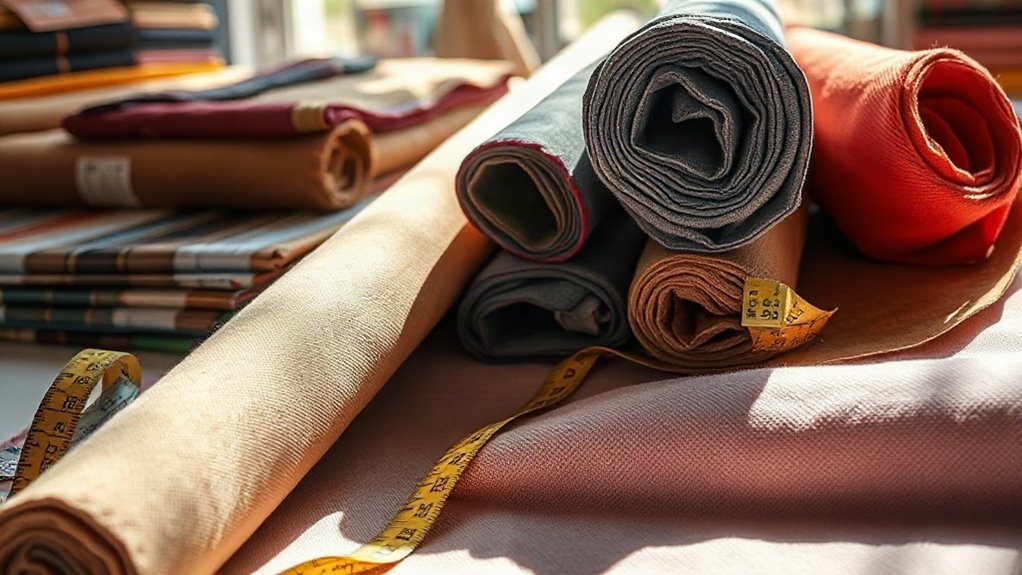
The useful way to assess RFID blocking fabric is to connect the material to a real product or room. A short sample test can answer questions that a product name alone cannot answer. A few clear checks can keep the process simple and useful. This keeps the early search focused and makes later sample checks more useful.
This guide breaks the choice into simple steps for buyers, designers, and sourcing teams. It is useful to define the job before comparing materials. Small gaps can matter, so the whole product design should be tested rather than the fabric alone. That shared reference is useful when more than one person takes part in the buying process.
Sourcing teams can compare options under rfid blocking fabric and then confirm the exact test data for the chosen material. Use the link as a starting point, then match the exact material to the project specification. The next step is to turn that first review into a sample that can be handled and tested.
Brief Overview
- Define the end use before choosing a form of RFID blocking fabric.
- Compare conductive nonwoven material with other suitable constructions instead of relying on one product name.
- Inspect finished enclosure performance when that measure supports the planned use.
- For RFID shielding cloth, plan seams, openings, overlap, and wear points before the first full-size sample.
- Record sample notes and care rules so the same choice can be reviewed during a repeat order.
Look at the Whole Material, Not One Feature
For RFID shielding cloth, a coating can give strong electrical contact, yet it may need gentle handling. A knit can stretch and follow body shapes, but stretch can change spacing in the textile. A woven cloth often stays flatter and can be easier to use as a lining in a real product. For RFID shielding cloth, weight and width matter because they affect comfort, yield, and the number of seams. Color and surface finish can matter when the shielding layer is visible.
Find out for a sample and handle it the same way the factory or sewing team will handle bulk fabric. A short sample review can reveal issues that a data sheet cannot show. Material choice changes feel, drape, weight, and the way RFID blocking fabric can be sewn. Conductive nonwoven material may behave very differently from metalized polyester. Some options use a metal coating on a base cloth, while others place conductive fiber in the yarn.
Check Consistency Across the Roll or Product
Incoming checks for RFID blocking fabric do not need to be complex to be useful. First, check width, weight, appearance, and basic feel across several points. For RFID shielding cloth, look for bare spots, coating marks, holes, or large changes in texture before bulk work begins. Then review seam leakage if that measure matters to the project. One small swatch cannot show every change across a long production roll.
Take samples from more than one place when practical. For RFID shielding cloth, save the approved sample next to incoming goods during inspection. Finished-product tests are useful when seams or closures are part of the shield. If results drift, stop and find the cause before using the whole batch. For RFID shielding cloth, consistent checks make supplier talks clearer and reduce guesswork.
Use Simple Incoming Quality Checks
Finished-product tests are useful when seams or closures are part of the shield. For RFID shielding cloth, if results drift, stop emi shielding fabric and find the cause before using the whole batch. Consistent checks make supplier talks clearer and reduce guesswork during sample review. Incoming checks for RFID blocking fabric do not need to be complex to be useful. For RFID shielding cloth, first, check width, weight, appearance, and basic feel across several points.
For RFID shielding cloth, look for bare spots, coating marks, holes, or large changes in texture. Then review surface resistance if that measure matters to the project. A sourcing review may include Emf hat, followed by checks on the exact construction and test range. One small swatch cannot show every change across a long production roll. For RFID shielding cloth, take samples from more than one place when practical. Save the approved sample next to incoming goods during inspection.
Connect Quality to the Final Use
For RFID shielding cloth, one small swatch cannot show every change across a long production roll. Take samples from more than one place when practical. Keep the approved sample next to incoming goods during inspection. For RFID shielding cloth, finished-product tests are useful when seams or closures are part of the shield. If results drift, stop and find the cause before using the whole batch.
Consistent checks make supplier talks clearer and reduce guesswork. Incoming checks for RFID blocking fabric do not need to be complex to be useful. For RFID shielding cloth, first, check width, weight, appearance, and basic feel across several points. Look for bare spots, coating marks, holes, or large changes in texture. Then review target-band attenuation if that measure matters to the project.
Frequently Asked Questions
How should RFID blocking fabric be cleaned?
For RFID shielding cloth, cleaning depends on the exact construction. For RFID shielding cloth, many coated or conductive textiles need mild washing and should avoid harsh bleach. For RFID shielding cloth, high heat may harm some finishes or stretch fibers. For RFID shielding cloth, follow the care guide for the exact item. For RFID shielding cloth, if the material is inside a finished product, add clear care notes to the label or instruction sheet.
Should I request a sample before ordering RFID blocking fabric?
For RFID shielding cloth, yes, a sample is one of the easiest ways to reduce risk. For RFID shielding cloth, it lets you check color, feel, stretch, surface quality, and edge behavior. For RFID shielding cloth, you can also test sewing, bonding, or layering methods. For RFID shielding cloth, if performance matters, use a sample from the same construction planned for bulk production. For RFID shielding cloth, retain the approved piece for later comparison.
How do I compare two types of RFID blocking fabric fairly?
For RFID shielding cloth, compare them against the same job. For RFID shielding cloth, look at construction, width, weight, feel, care, and relevant test conditions. For RFID shielding cloth, avoid comparing one large headline number with a detailed frequency chart from another product. For RFID shielding cloth, use samples of both when possible. For RFID shielding cloth, the better option is the one that fits the design with fewer compromises and clear support data.
Can RFID blocking fabric be cut and sewn like normal fabric?
Often it can, but the details vary. Some coatings can mark or fray, and some knits stretch. Test the needle, stitch length, seam type, and edge finish on a sample. Record the functional layer as continuous as practical. Follow supplier guidance for bonding, grounding, or special handling when those steps are part of the design.
How important is fabric width when ordering RFID blocking fabric?
Width can affect yield, seam count, labor, and waste during sample review. A wider roll may reduce joins in curtains, covers, or room panels. A narrow width may still suit small pouches or garment parts. Compare usable width rather than nominal width alone. Include hems and overlap in the cutting plan before you estimate how much material is needed.
Summarizing
Good decisions about RFID Blocking Fabric come from a short list of real needs. Define what the product must do, how it will be built, and how it will be cared for. Compare samples under the same conditions. Then test the complete design before scaling up. This process is simple, but it covers the details that most often affect the final result.
Save the chosen sample and the reasons it passed review. Include width, construction, care notes, and useful test details. A repeat order is easier when the old decision is well documented. The goal is not to collect the most technical terms. The goal is to choose RFID blocking fabric that fits the project and stays practical in use.